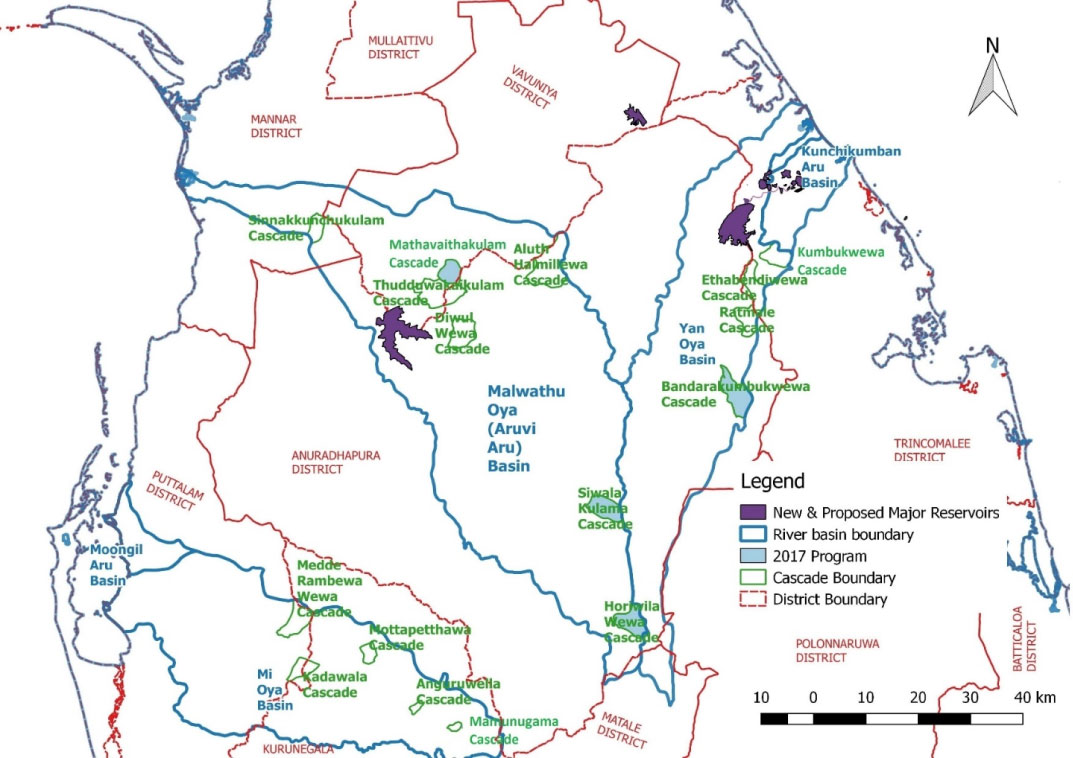
 The Green Climate Fund has provided USD 38.08 million through UNDP and the Government of Sri Lanka has invested an additional USD 14 million as co-financing to the Project.
 The project which started in 2017 with the support of the Department of Agrarian Development identified over 22,000 tanks. About 32% of these were either abandoned or damaged and a large portion of the remaining Tanks need to be upgraded.
 The Project scope encompassed the rehabilitation of 325 village irrigation systems in about 20 cascade systems in six Dry Zone districts of Sri Lanka, namely; Anuradhapura, Vavuniya, Mannar, Puttalam, Kurunegala and Trincomalee.
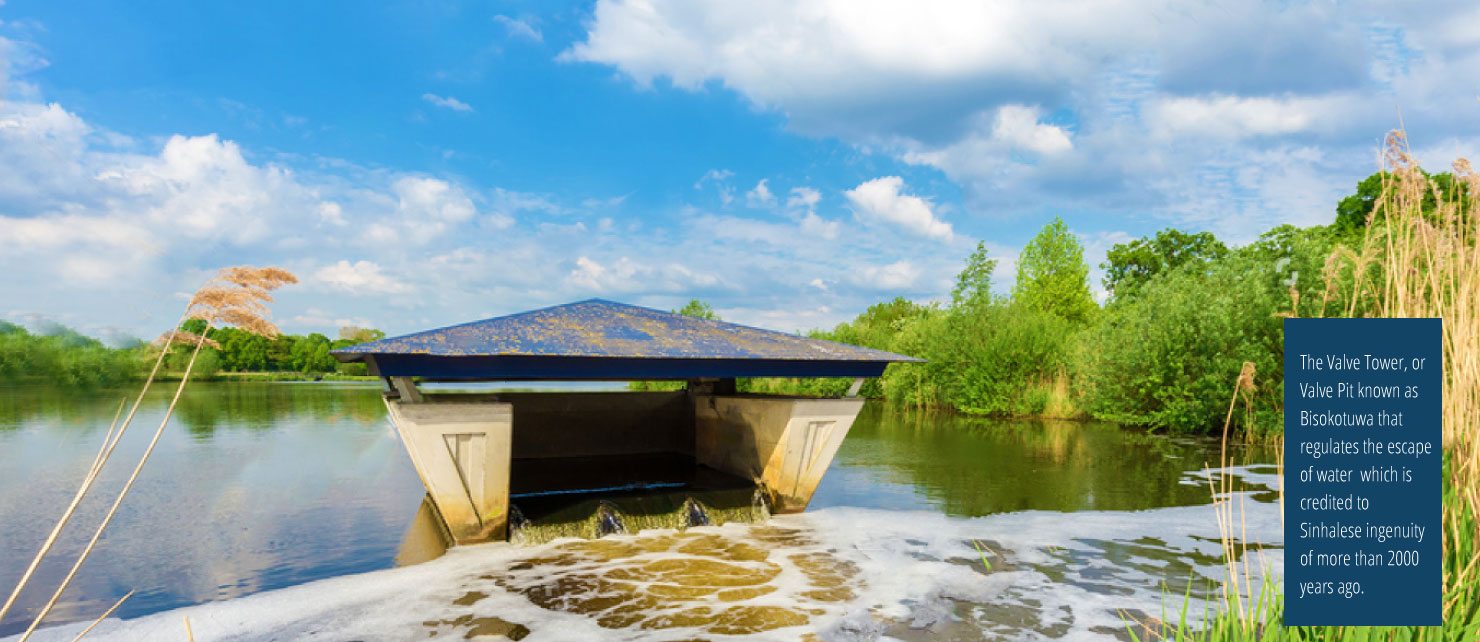
 The blue-print of intervention extensively considered the effects of climate change and included the restoration of the tank’s primary eco system; by improving the physical structures of the tanks and diversions, improving the catchment areas through reforestation, improving soil and water conservation in the area and supporting environmental management.
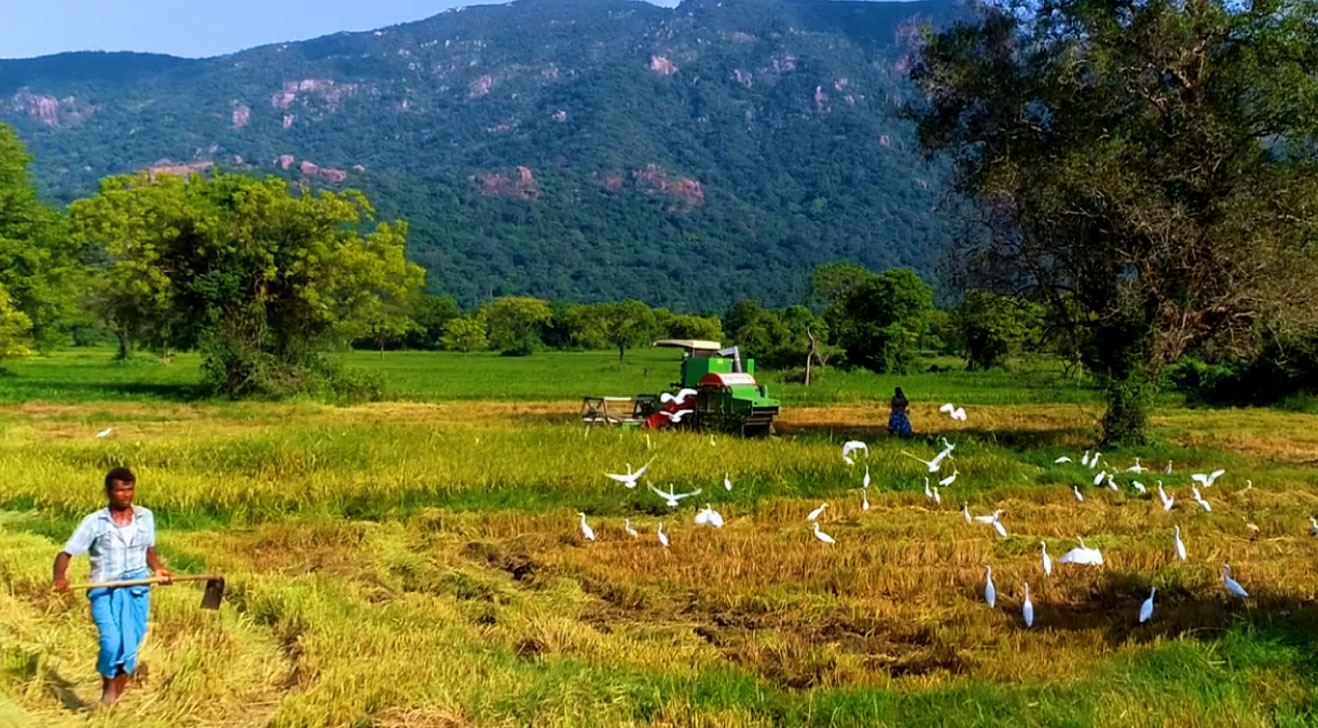
 It is expected that the upgraded village irrigation systems will enable the rural farming communities to withstand both floods and droughts. The upgraded systems will also improve the eco-system and increase the eco-system services to the vulnerable communities.